
Explore Our Services & PRODUCTS
Panel Design & Fabrication · Systems Integration · Program Design · Instrumentation · SCADA
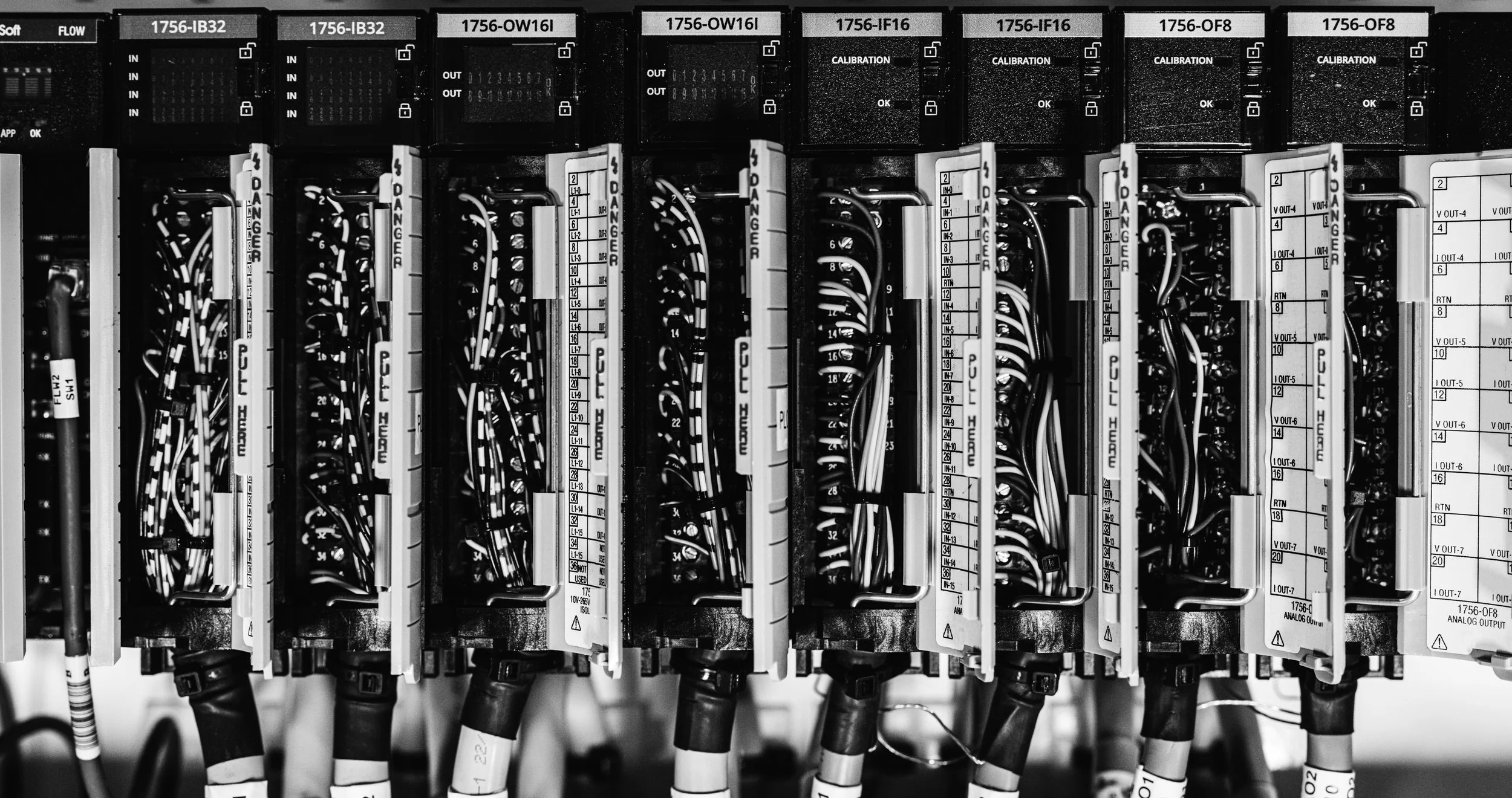
the atlas automation panel
Functional by requirement. Beautiful by standard.
We design & fabricate custom UL508a & UL698a control panels for a wide range of industrial applications. From simple motor starters to complex multi-function automation enclosures, we build panels that perform precisely, look deliberate, and hold up in the environments they're installed in. Before anything ships, it gets tested. Before it gets tested, it gets documented.
-
Layout planning starts at the schematic level. Every component earns its position before we order or create a single part.
-
Clean wire routing, consistent labeling, and enough space to actually work inside. Panels that make sense to someone who wasn't in the room when they were built.
-
Every panel goes through factory acceptance testing - not a quick power-on check. Functional verification at our facility before it ever reaches your business.
-
You receive full as-built drawings, wiring diagrams, and component schedules. The paperwork is part of the product.
Program Design
The logic that runs the machine
Every automated system runs on a program. A set of instructions that tells your equipment when to start, when to stop, how fast to run, what to do when a sensor trips, and how to recover when something goes wrong. That logic is the nervous system of your operation - and when it's written poorly, everything downstream suffers.
We write PLC and control logic from scratch, or we pick up and improve what you already have. Our code is structured, commented, and organized so that the next engineer who opens it - whether that's your in-house team or another integrator - can understand it without needing a call to explain it.
-
We write code that documents itself. Variable names that mean something. Comments that explain intent, not just syntax. Structure that maps to the physical process.
-
Sequences get tested for normal operation, edge cases, and fault conditions before we commission. We don't find out the recovery logic doesn't work when the operator does.
-
Every project is delivered with version history, documentation, and a backup that your team can actually use.

SYSTEMS INTEGRATION
Your equipment, working as one system - not a collection of parts.
Most industrial facilities run on equipment from five, ten, sometimes twenty different manufacturers. PLCs from one vendor. Drives from another. Sensors, HMIs, safety systems - all specified at different times, by different people, for different purposes. Systems integration is the work of making all of it function together as a single, coherent operation.
We connect the hardware, configure the software, and verify that every signal is going where it should We test the full system - not just the individual pieces.
-
We don't hand off work between subcontractors. The engineers who design the integration are the ones who commission it. If something isn't behaving the way it should, we stay until it does.
-
Integration isn't complete until the system runs under real conditions. We validate signal flow, sequence logic, and failure modes - not just communication handshakes.
-
We learn your process before we configure anything. The system should work the way your operators expect it to, not the way the manual describes it.
scada
Your entire operation, visible from one place.
Supervisory Control and Data Acquisition is how your team sees what's happening across an entire facility. It's the difference between operators reacting to alarms on individual pieces of equipment and operators managing a process from a clear, unified picture.
We design and build SCADA systems around the people who will use them. The operators who need to catch a problem early. The managers who need a production summary at 8am. The engineers who need to pull a year of trend data for a process review. A SCADA system that serves all three is designed from scratch.
-
Screen layouts are driven by process flow, not by what's easiest to configure. Critical information is visible without navigation.
-
Alarm rationalization, priority tiering, suppression logic, and acknowledgment workflows built in from the start. Not a list of five hundred unacknowledged alarms that operators learned to ignore.
-
Platforms we work with:
FactoryTalk View — Rockwell's HMI/SCADA platform, built to run tightly alongside Allen-Bradley PLCs. We use it for both machine-level HMI and plant-wide SCADA, depending on the scope.
PlantPAx — Rockwell's process automation system, layered on top of FactoryTalk for larger continuous and batch process applications. It standardizes how a facility's PLCs, HMIs, and historian all communicate, which matters once a plant grows past a handful of standalone systems.
iFIX — GE's SCADA platform, widely used in water/wastewater and utilities. We work in it for clients with existing iFIX infrastructure or where its specific driver support fits the application.
InTouch — AVEVA's HMI software, one of the longest-running platforms in the industry. We support InTouch systems for clients who've standardized on it, whether that's a new build or an upgrade to an aging one.
Ignition — Inductive Automation's modern SCADA platform. We turn to Ignition when a client wants a system that scales easily across multiple sites without licensing penalties, or when the project calls for fast, flexible screen development.
Instrumentation
Every process variable, measured accurately and routed to the right place.
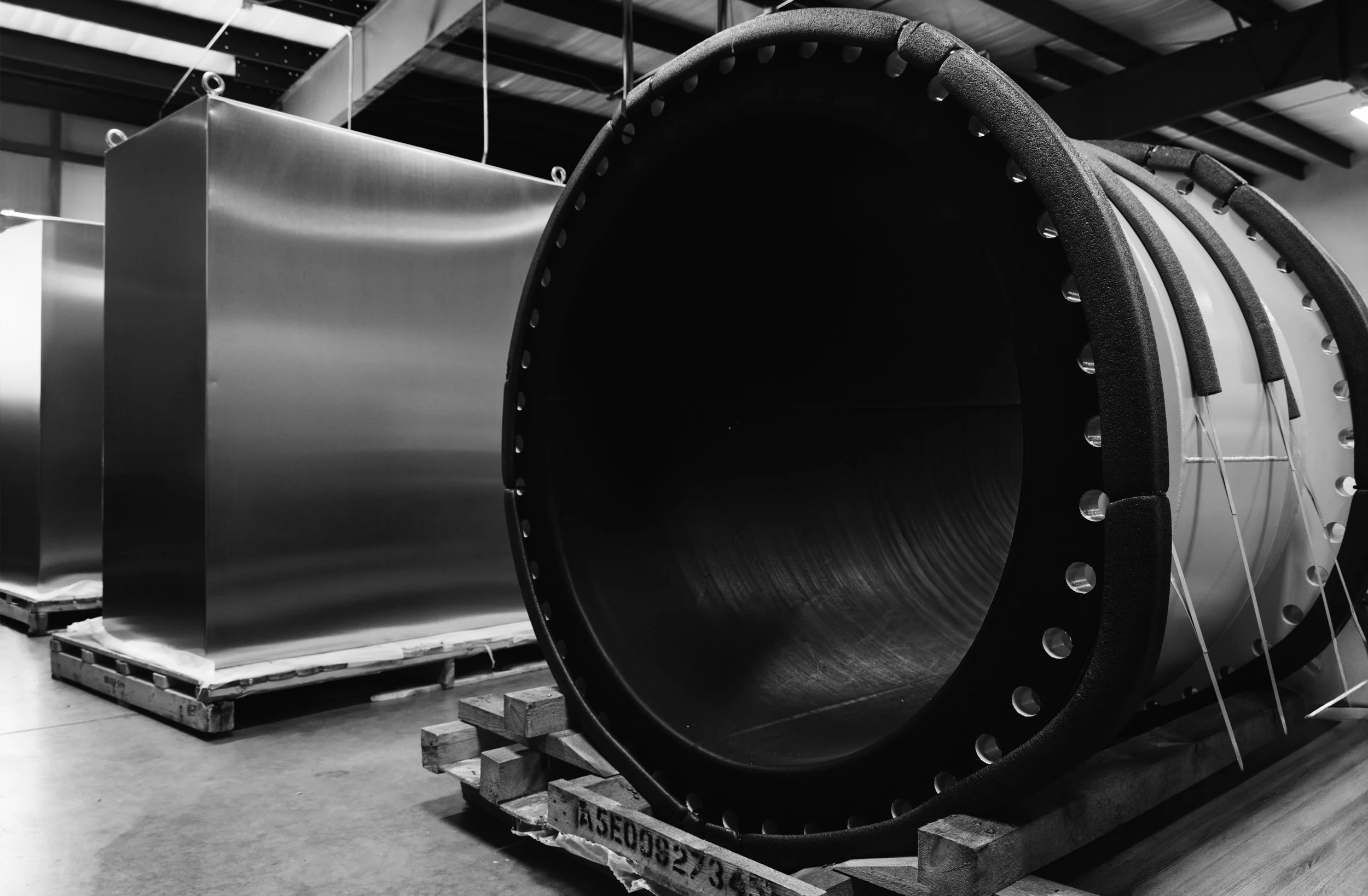
Instrumentation is the layer of the system nobody sees - but everyone depends on. Temperature. Pressure. Flow. Level. pH. The measurements your process generates every second are only useful if they're accurate, reliable, and reaching the right place at the right time.
We design and implement instrumentation systems that give your process real visibility. From selecting the right sensor for the application to conditioning the signal and verifying the loop end-to-end, we handle every step.
-
Sensor and transmitter selection is driven by process conditions - temperature ranges, chemical compatibility, and line pressure - among other variables.
-
Every loop is checked end-to-end. Signal origin to controller input, output to final element - before commissioning.
Let's talk about your project.
contact info:
message us: 801-889-5852
quickest
Whether you have a full spec or just a problem to solve, we're straightforward to work with. Send a message with whatever detail you have - scope, timeline, site location, system type — and we'll come back to you with a clear picture of how we'd approach it.
Prefer to talk it through first? Reach out directly.